

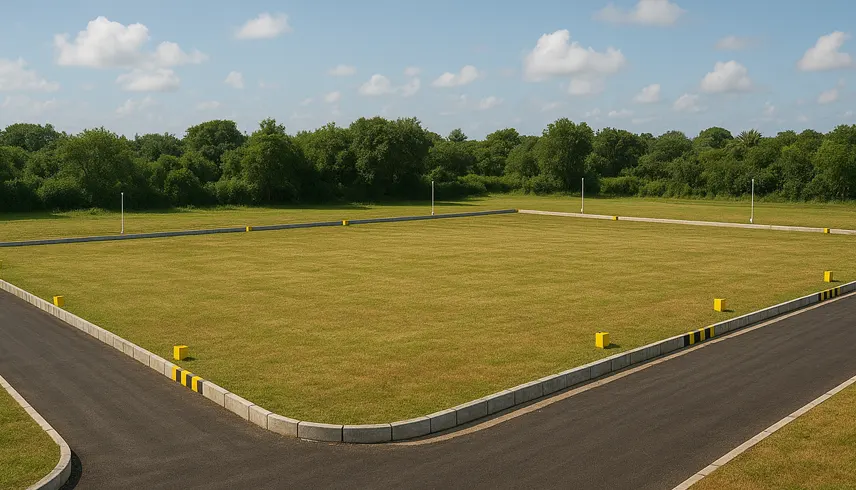
Introduction: Land is Not “Empty”—It’s Potential + Risk + Rules
Buying a plot in Chennai isn’t just picking a rectangle on a map. It’s an engineering choice (soil, drainage, utilities), a legal choice (title chain, approvals, zoning), a planning choice (orientation, frontage-depth ratio), and a financial choice (funding, phasing, exit). If you treat it like a casual purchase, you’ll pay for that mistake for years. This guide strips away noise and gives you a clear, decision-grade framework to choose, price, and build on residential plots—so the house you imagine is actually possible, compliant, and future-proof.
1) Why a Residential Plot Over a Ready Home?
Control. You decide plan, facade, materials, and sequence of spend.
Scalability. Build core today; add a room/office/studio later.
Asset Mix. Land often appreciates faster than structures in select micro-markets.
Rental Options. Duplex + studio/annexe can hedge EMIs.
Caveat. You carry more responsibility—approvals, construction, supervision, O&M. If you want “zero effort,” buy a ready apartment; if you want “exact fit,” land makes sense.
2) Chennai Micro-Markets for Plots: What Actually Matters
Forget glossy labels. Score micro-markets with hard filters:
- Access & All-Season Roads. If the approach road floods every monsoon, skip.
- Social Infra. Schools, clinics, groceries within a reasonable radius (you’ll use these weekly).
- Job Corridors. OMR/IT belt, manufacturing clusters, logistics spines—demand drivers affect resale.
- Water & Sanitation. Municipal interface, tanker reliance, or project WTP/STP? Know before you sign.
- Regulatory Context. CMDA/DTCP/local body norms, RERA (if applicable), and layout approval status.
- Neighborhood Trajectory. Look for steady, boring growth—speculative spikes are fragile.
3) Plot Geometry: Frontage, Depth, and Usable House
Frontage drives design. A 30-ft frontage yields a very different plan than 40-ft, even at the same area.
- Frontage ≥ Depth/2: Better daylight, cross-ventilation, and parking geometry.
- Driveway Logic: Car approach should not choke the main door; turning radius matters.
- Corner Plots: Extra light and ventilation, but plan privacy screens intelligently.
- Park-Facing: Better view and air movement; price premium is common.
- Setbacks: Confirm rulebook early. Losing 3–5 ft on each side can crush your dream plan if you didn’t account for it.
Rule of thumb: Design from inside out. Draft a rough house bubble plan (living, dining, kitchen, 1 bed + bath at ground, staircase, utility, sit-out). If it doesn’t fit your plot + setback reality on paper, it won’t fit on land.
4) Soil, Levels, and Drainage—Cheap Tests That Save You Later
- Bore/Trial Pit Log. Silty clay? Red soil? Filled land? Ask for data, not guesses.
- Plinth Height. Keep finished floor level comfortably above road crown; verify slopes towards storm drains.
- Water Table & Rain. Where does water go in a 100-mm downpour? If the seller can’t explain, walk away.
- Compaction Records (Developed Layouts). Engineered subgrade under roads prevents rutting and edge failures.
- Percolation Check. Useful for RWH and soak pits; adjust design accordingly.
5) Approvals & Documents—No Drama or No Deal
- Title Chain & EC. Unbroken chain; clean encumbrance. If something smells off, hire a property lawyer—cheap insurance.
- Layout Approval. CMDA/DTCP/local authority sanctioned layout with plot numbers matching ground reality.
- Land Use Zoning. Residential? Mixed? Agricultural? Don’t assume.
- RERA (If Applicable). Where required, verify registration details match the site.
- Covenants/Association Rules. Façade control, compound wall line, setbacks enforcement, construction timings, debris disposal. These protect your neighborhood value.
Non-negotiable: Physical pegs should match the drawing. Measure. Don’t buy a “map-only” plot.
6) Services & Utilities: The Boring Bits That Decide Livability
- Power. Feeder capacity, distribution panels, metering points.
- Water. Municipal line vs. private WTP. If tanker-dependent, budget honestly.
- Sewage. Underground sewer to STP/municipal interface vs. septic. Dual plumbing (reuse) if community STP exists.
- Stormwater. Side drains, recharge pits, slope from plots to drains—walk it.
- Internet/FTTH. Ducts along power corridor reduce later digging chaos.
- Street Lighting & Signage. Safety and wayfinding—basic but critical.
7) Build-Readiness Checklist (Before You Pay)
- Pegs visible and cross-verified with the latest approved layout
- Road formation finished to final levels, not just grubbed
- Drainage connected at both ends; no dead-end ponding
- Service tap-off points marked (water, power, sewer)
- Corner stones intact; plot dimensions measured in your presence
- Access road free of encroachments and permanent obstructions
8) Designing the House: A Practical Starter Brief
Ground Floor Must-Haves
- Foyer buffer; living that doesn’t blast the main door; dining that avoids TV glare.
- Kitchen triangle ≤ 7 m; utility yard and garbage exit not through living.
- One bedroom + bathroom at ground (parents/guests/office).
- Stair with safe riser/tread; under-stair storage.
- Sit-out + private rear strip for a real outdoor life.
Upper Levels
- Master with wardrobe wall and still usable circulation; reading/desk corner.
- Children’s rooms with study alcoves; cable routes planned.
- Family lounge as buffer; terrace with sensible parapet and waterproofing.
- Balcony depth ≥ 1.2 m to actually sit; shade west/south.
Services
- ELCB/RCCB at panel; surge protection; EV charger circuit stubbed.
- Geyser points, exhaust, and pressure logic; accessible inspection chambers.
- Roof build-up for heat + water; overflow routes tested.
9) Budget: Full Stack, Not Just Bricks and Tiles
Landed Cost
- Plot price + registration + stamp + legal + association/infra charges (if any).
Construction Stack (Base to Liveable)
- Core Shell: structure, masonry, plaster, waterproofing—don’t cheap out here.
- MEP: electrical (adequate circuits), plumbing pressure/quality, AC rough-ins, EV charger, data.
- Finishes: flooring, doors/windows, paint, railings, waterproofing sealants.
- Interiors: kitchen, wardrobes, storage; keep it functional.
- Outdoor: compound wall, gate, driveway, lawn, deck/pergola, external lighting.
- Sustainability: rainwater recharge, grey-water reuse (if viable), solar prep or array.
- Professional Fees: architect, structural, MEP, approvals liaison.
- Contingency: 7–10% minimum. Reality always shows up.
Phasing Option: Build essential shell + basic interiors now; add study/annexe later. Luxury equals finishing well without debt stress.
10) Funding, Taxes, and Paper Trail
- Loans: Plot loans, construction loans, or composite loans—compare disbursal conditions.
- Cash Flows: Progress-linked contractor payments reduce risk.
- Tax Position: Document everything. Professional invoices simplify capital-gains computation later.
- Insurance: Project insurance (during construction) + home insurance (post-handover) is not optional.
11) Risk Management: How Not to Get Stuck
- Contract Type: Item-rate with measurable BOQ; milestone-based release.
- Change Control: One document for variations; price + time impacts pre-signed.
- Quality Gates: Waterproofing tests, slope tests, pressure tests, electrical insulation & earth resistance before finishes.
- Season Calendar: Lock terrace and external finishes ahead of monsoon.
- Vendor Backups: Alternate suppliers for tiles, CP fittings, and windows—supply delays happen.
12) Investment Logic: When Plots Outperform (and When They Don’t)
Outperformers
- Serviced layouts with strong road connectivity and clear covenants.
- Plots near steady employment hubs and schools—not speculative deserts.
- Corner/park-facing with good frontage; faster resale.
Underperformers
- Raw, unserviced land without drainage/power plan.
- Flood-prone pockets, legal grey zones, or political uncertainty.
- Micro-markets with oversupply and no absorption drivers.
Exit Strategy
- Keep all drawings, permits, and photos. Transparency sells.
- If built, deliver a maintenance log—buyers pay more when they see care and proof.
13) Sustainability That Pays Back
- RWH: Sized pits + filter media; roof-to-recharge routing.
- Grey-Water Reuse: Flushing/garden where code and budget permit.
- Heat Control: Light roof finishes; ventilated attic or insulation; deciduous shade on west/south.
- Appliances: Inverter ACs, LED everywhere, water-saving mixers—lower bills, higher comfort.
14) Common Myths—Call Them Out
- “Bigger plot = better house.” Wrong. Frontage, orientation, and setbacks dominate livability.
- “We’ll manage drainage later.” You won’t. Redoing slope after construction is expensive and messy.
- “Cheaper structure, fancy finishes.” Backward. Structure, waterproofing, and services first.
- “Corner plots are noisy.” Manage with walls, planting, and fenestration. The light/ventilation win often outweighs noise if designed right.
15) One-Hour Site Shortlist Routine
- Drive the approach road after light rain; check ponding points.
- Walk the plot edges; confirm pegs and measure both axes.
- Inspect storm drains: slope direction and outfall.
- Ask for layout approval, last EC, and covenants; take photos.
- Locate power and water tap-offs; note distances.
- Study the neighboring plots—setbacks, heights, nuisance sources.
- Sketch your bubble plan on paper against setbacks.
- Fill the scorecard below—don’t rely on gut feel.
17) FAQs: Straight Answers
Q1. Is RERA mandatory for plotted developments?
Depends on size/phasing and local rules. If applicable, verify the registration and that numbers match the on-ground plan.
Q2. Can I start building immediately after registration?
Only after your house plan is sanctioned and utilities are approved. Don’t jump the gun.
Q3. Septic or sewer? Which is better?
Sewer to STP/municipal interface is cleaner long-term. If septic is the only option, design it correctly and plan desludging access.
Q4. Corner or park-facing—worth the premium?
Usually yes. Faster resale, better light/ventilation. Price it rationally, not emotionally.
Q5. How do I check if the land was filled?
Ask for historical records, soil logs, and talk to immediate neighbors. Differential settlement cracks are expensive problems.
Q6. Can I plan a home office or rental studio?
If zoning and covenants permit, yes. Get it sanctioned properly—don’t gamble.
18) Ark Estates Approach to Plots
- Serviced First. Roads, drains, power, water, lighting, and wayfinding set up before sales push.
- Clarity Over Hype. Pegs match drawings, covenants prevent eyesores, and buyers know the rulebook on day one.
- Build-Friendly Geometry. Parcels sized and frontaged for practical homes, not awkward experiments.
- Sustainability Built-In. RWH routing, recharge logic, and provision for reuse where viable.
- After-Sales Discipline. Association onboarding, O&M handover documents, and clean records that support resale.
Luxury in plots is not marble—it’s lack of future headaches.
19) Suggested Page Structure (for your web team)
- Hero: “Residential Plots in Chennai — Build Right from Day One”
- Micro-Market Map: Key corridors with pros/cons bullets
- How to Choose: Geometry • Soil/Drain • Services • Approvals
- Buyer Toolkit: Checklists, scorecard, downloadable layout plan (PDF)
- Design Primer: Ground + Upper logic with quick sketches (optional)
- Budget & Funding: Stack list + phasing chart
- FAQs
- CTAs: “Get Layout & Availability”, “Book a Site Walk”, “Talk to a Plot Advisor”
20) SEO Setup (Recommended)
- Meta Title: Plots in Chennai | Serviced Residential Land | Ark Estates Buyer’s Guide 2025
- Meta Description: A no-nonsense guide to buying residential plots in Chennai—approvals, drainage, utilities, geometry, budgeting, and a practical scorecard. Shortlist serviced plots that build right.
- Schema: Organization, Article, FAQPage, BreadcrumbList
- Internal Links: Point to your plots detail page, an approvals checklist article, and a house-design primer.
Conclusion: Buy the Plot That Makes Building Easy
You’re not buying dirt—you’re buying future livability. The right plot lets you build a home that breathes, drains, connects, and adapts. Verify approvals, measure geometry, test the boring stuff (drains, slopes, power), and budget with discipline. Then build in phases if needed. That’s how you turn land into a durable, appreciating asset—without turning your life into a construction crisis.
Bottom line: Choose clarity over hype. The “best” plot is the one that lets you build well—and sleep well—every monsoon for the next 20 years.
Comments are closed