

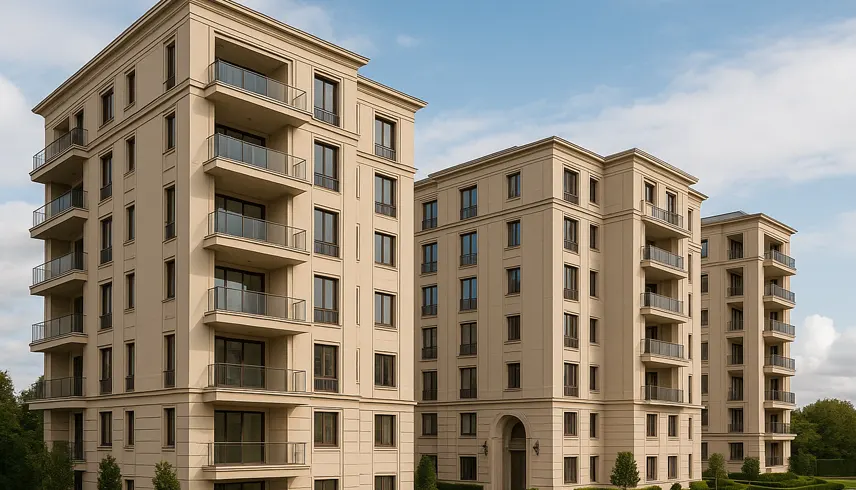
Introduction: What “Luxury” Really Means in Chennai—And Why It’s Evolving
“Luxury” in Chennai isn’t just marble floors and a clubhouse anymore. It’s the sum of five things working together: a prime location with future-proof connectivity, a floor plan that actually lives big, engineering that lasts, service that keeps the community running, and a transparent buying experience. When one of these breaks, the promise of luxury collapses into inconvenience.
This guide breaks down the full picture—neighbourhoods, floor plans, material specs, amenities that matter, sustainability, compliance, and post-handover realities—so you can evaluate luxury apartments with cold clarity. You’ll also see how Ark Estates approaches “livable luxury” for families who want elegance without the drama.
Section 1: The Luxury Buyer’s Checklist—Five Non-Negotiables
- Location Intelligence (Now + 10 Years)
- Access to job hubs (IT corridors, business districts)
- Nearby schools, hospitals, daily-use retail
- Road capacity and planned public transit
- Noise, air, and flood-risk assessment
- Access to job hubs (IT corridors, business districts)
- Usable Square Feet (Not Just Super Built-Up)
- Clear furniture layouts in living/dining
- Bedrooms that accept wardrobes without squeezing circulation
- Kitchen triangles (sink–hob–fridge) that actually work
- Balcony depth that seats two comfortably
- Clear furniture layouts in living/dining
- Build Quality & Systems
- RCC frame + robust waterproofing at basements, terraces, and wet areas
- AAC/solid blocks with low thermal transmission
- Fire safety as per code; refuge and pressurized staircases
- Water treatment (WTP), sewage treatment (STP), dual plumbing where feasible
- RCC frame + robust waterproofing at basements, terraces, and wet areas
- Lifestyle & Community Design
- Green ratio, wind corridors, and shaded sit-outs
- Amenity programming by user age, not vanity lists
- Professional O&M with measurable SLAs
- Green ratio, wind corridors, and shaded sit-outs
- Transparency & Compliance
- RERA registration and clear title
- Accurate carpet areas
- Straightforward payment schedules and handover commitments
- Post-handover association support
- RERA registration and clear title
Section 2: Where Luxury Lives in Chennai—And Why
Chennai’s luxury map has widened. Traditional cores remain aspirational, but new corridors deliver space, community scale, and engineered townships that younger families want.
- Boat Club / Poes Garden / Alwarpet / Nungambakkam / T. Nagar (Centrals): Old-world prestige, boutique developments, tight land availability. Expect higher price-per-sq.ft and limited amenities due to plot constraints—but unmatched city-core access.
- Adyar / Besant Nagar / Thiruvanmiyur: Coastal charm with mature social infra. Lifestyle-heavy, but inventory is limited and often bespoke.
- Anna Nagar / Kilpauk / Shanthi Colony: Broad roads, community culture, and balanced access to the city’s north and central belts.
- ECR / Injambakkam / Neelankarai / Uthandi: Sea proximity, villa hybrids, and boutique apartments. Great lifestyle; verify flood resilience and corrosion protection.
- OMR—Thoraipakkam to Siruseri / Navalur / Sholinganallur: The jobs–home equation. For luxury, look for integrated townships with planned greens, school/retail inside, and low-stress access. Modern families choose these for predictable routines.
- GST Road & Suburban Growth Pockets: Larger land parcels allow master plans with meaningful open spaces, but vet commute patterns and long-term appreciation drivers.
Ark Estates perspective: We place “livability math” ahead of pin codes—how many hours saved weekly, how many daily needs within 400–800 meters, and how consistently the campus functions through monsoon and peak traffic.
Section 3: Floor Plans That Feel Luxurious Every Day
Luxury is efficiency dressed well. Watch for:
- Living/Dining: L-flow or subtle zoning so seating and dining coexist without TV glare or chair collisions.
- Bedrooms: Minimum wardrobe depth planned (don’t lose circulation). Master suite should allow a work-nook or lounge chair.
- Kitchen: Triangle ≤ 7 meters, utility yard, direct garbage exit (hygiene), space for water purifier and dishwasher.
- Bathrooms: Dry/wet zoning, anti-skid floors, pressure-balanced mixers, natural ventilation where possible.
- Balconies/Terraces: Depth that supports seating (≥ 1.2 m typical) and privacy screens.
- Storage: Linen, crockery, puja/archive niches, and under-stair storage in duplex formats.
- Acoustic Separation: Bedrooms should not open directly into living; buffer by wardrobe/foyer.
Pro tip: Ask for carpet-area furniture layouts—if a developer hesitates, the plan is likely cosmetic.
Section 4: Materials & Specifications—What “Better” Looks Like
- Structure: RCC frame, seismic compliance, anti-termite at key stages.
- Envelope: AAC/solid blocks, weatherproof exterior coat; thermal reflectivity at roof decks.
- Flooring: Large-format vitrified/porcelain in living/dining; anti-skid tiles in bathrooms; engineered wood optional in bedrooms.
- Windows/Glazing: UPVC/aluminium with quality hardware; provision for mosquito mesh; French doors for balconies.
- Doors: Engineered door sets; multi-bolt or digital locks at main door.
- Kitchen: Granite/quartz counters; SS sink with drainboard; hob/chimney provision; dedicated points for heavy appliances.
- Bathware: Reputed CP/sanitary brands; glass partitions in master baths; exhaust fans; health faucets.
- Electrical: Copper wiring; modular switches; MCB/ELCB protection; AC points in living/bedrooms; TV/data points in living & master.
- Safety: Fire detection/suppression as per NBC; access-controlled lobbies; CCTV at key nodes.
- Sustainability: WTP, STP with reuse for flushing/gardening; LED common areas; rainwater harvesting; solar for common loads where feasible.
Section 5: Amenities—Signal vs. Noise
A long wish-list is not luxury. Usability rate is. Prioritize:
- Education & Care: On-campus or walkable school/day-care beats a giant, underused amphitheatre.
- Fitness & Sport: Multi-purpose indoor zones, real-sized courts, jogging paths that loop (not dead-end).
- Kids’ Play: Separate toddler and older kids’ zones; safety surfacing; visibility from seating.
- Community Spaces: Party hall with pantry, co-work pods for quick calls, shaded outdoor seating.
- Daily Use: Supermarket, salon, parcel room, visitor parking pockets.
- Utilities: EV charging readiness, DG backup for essentials, segregated waste, OWC (where deployed).
Ark Estates approach: Program amenities by daily demand curves—mornings for school/fitness, evenings for play/community, weekends for events—so use stays high and maintenance feels worth it.
Section 6: Engineering for Chennai’s Climate
- Monsoon-First Design: Proper slope design, drain sizing, and recharge pits.
- Heat Management: Roof insulation, reflective coats, ventilated stair cores, deep overhangs on west/south facades.
- Corrosion Control: Especially near coast—coatings and grade selections matter.
- Water Security: Potable WTP + STP reuse. Dual plumbing is a practical luxury in Chennai.
Section 7: The Buying Experience—How to Avoid Expensive Mistakes
- Title & Layout Sanity: Ask for title chain, encumbrance, and sanctioned drawings.
- RERA Reality Check: Verify RERA registration, approved plans, and carpet areas.
- Cost Sheet Transparency: All-in breakup—base + floor rise + car park + clubhouse + GST + registration + legal.
- Bank Approvals: Multiple empanelments are a soft vote of confidence.
- Construction Milestones: Foundation→podium→superstructure→finishes→handover; look for dated progress logs.
- Association & O&M: Who maintains? What are the SLAs and escalation paths?
- Snagging Ritual: Structured checklist, defect liability, timelines for rectification.
Red flags: Vague areas, “launch-only” discounts with pressure tactics, or amenity claims not present in the sanction.
Section 8: Who Should Buy Luxury Apartments in Chennai—And When
- City-Core Loyalists: Choose boutique luxury—fewer amenities, higher privacy, top addresses.
- Work-Life Optimizers: Choose integrated townships near job hubs—amenities, schools, predictable routines.
- Investors: Look for serviced ecosystems with school/retail inside; supply of well-managed projects is limited relative to demand growth.
- Upgraders (Apartment → Larger Apartment): Prioritize usable area over speculative address value. Check storage and room proportions first.
Timing: Buy when carpet plans and approvals are fully available. If under construction, tie payments to progress with buffer for snag rectification.
Section 9: Sample Evaluation Matrix (Score Before You Decide)
| Factor | Weight | Project A | Project B | Project C |
| Location (current + pipeline) | 20 | |||
| Usable Plan (carpet layout quality) | 20 | |||
| Build & Services (WTP/STP/Fire/MEP) | 15 | |||
| Amenities (utilization & relevance) | 15 | |||
| Maintenance/O&M (SLA, costs) | 10 | |||
| Compliance & Transparency | 10 | |||
| Price Fairness (for carpet value) | 10 | |||
| Total | 100 |
Fill it honestly. The highest score wins—not the loudest brochure.
Section 10: Life After Handover—Where Luxury Is Proven
- Association Formation: Early, organized, and transparent.
- Maintenance Calendar: Pumps, fire systems, lift servicing, façade cleaning, play-equipment checks.
- Community Governance: Pet policy, renovation timings, decorum in amenity use.
- Resident App: Notices, payments, gate passes, service tickets.
- Security Layering: Visitor management process and CCTV review SOPs.
Truth: Luxury is cheaper to own when the O&M is professional. Poor maintenance will eat your appreciation.
Section 11: Frequently Asked Questions (Luxury Buyer Edition)
Q1. Are luxury projects only about central addresses?
No. Central micro-markets carry legacy value, but integrated townships near job hubs deliver bigger usable homes, better amenities, and routine simplicity—especially for young families.
Q2. What carpet area is “good” for a luxury 3 BHK?
There’s no magic number. Instead, test furniture layouts: master bed + side tables + walk-around; kids’ beds + wardrobes + study; dining for six; balcony with two chairs. If it all fits without collisions, it’s luxury—regardless of raw square feet.
Q3. Do sea-side locations demand special materials?
Yes—corrosion control, window hardware grades, and façade finishes matter. Verify the specification sheet.
Q4. Should I pay for a long amenity list?
Only if the usage and O&M are practical. A shorter, well-programmed list often outperforms gimmicks.
Q5. What about sustainability—does it really help me?
Yes. WTP/STP reuse, RWH, LED common loads, and solar for common areas reduce monthly costs and stabilize water availability.
Section 12: Ark Estates’ Philosophy of Livable Luxury
- Location With Purpose: We choose corridors with proven job nodes, schools, and medical access.
- Design that Works: Plans are tested with real furniture. Balconies have depth. Kitchens run under pressure.
- Quality & Compliance: Structure, waterproofing, fire safety, and services are non-negotiable.
- Amenity Logic: We program for actual daily use, not brochure bloat.
- Service Mindset: Handover isn’t the end—we care how the community functions five years later.
Bottom line: Luxury must save time, protect health, and age gracefully.
Section 13: Micro-Decisions That Change Daily Life
- Lift-to-Unit Ratio: Shorter waits = less friction.
- Core Planning: Fewer units per floor = privacy and lower noise spill.
- Refuge & Stair Visibility: Safety is luxury—if you can’t find the stair in two seconds, that’s a problem.
- Balcony Orientation: West-facing deep balconies need shading; otherwise they become unusable hot plates.
- Parking Design: Ramp slope, turning radius, and EV charger access.
- Trash & Service Movement: Keep dirty movement away from living cores—hygiene is a silent luxury.
Section 14: The Numbers You Should Demand
- Carpet vs SBA (with plan keys)
- Balcony depth in meters
- Floor-to-floor height
- Open space ratio and landscape square meters
- Lift count per core and capacity
- DG backup scope for common areas and apartments
- OMRP (operations, maintenance, repair plan) outline and projected maintenance charges
If any of these are “we’ll confirm later,” pause.
Section 15: How to Compare Two “Luxury” Options in One Hour
- Stand in the living room (sample or plan). Map furniture.
- Check master bedroom wardrobe wall. Does it still “breathe”?
- Walk the kitchen triangle. Count steps between sink–hob–fridge.
- Sit on the balcony—mentally. Is there depth for a chair and legroom?
- Read the O&M plan. What’s maintained, how often, and by whom?
- Verify RERA documents. Plans, carpet, and milestones.
- Fill the evaluation matrix. No feelings—just scores.
Conclusion: Choose Luxury That Works on Monday Mornings
Real luxury in Chennai is everyday peace: a home that ventilates, a balcony you actually use, a school you can walk to, an association that responds, and systems that don’t break with the first rain. Don’t get hypnotized by finishes. Ask: Will this home make our routines simpler and healthier for the next decade?Ark Estates builds to that answer: locations picked for life logistics, floor plans tested for usability, engineering that stands up to Chennai’s climate, and amenities that people actually use. If you want luxury that lasts—not just luxury that photographs—shortlist projects that respect your time and keep their promises after handover.
Comments are closed